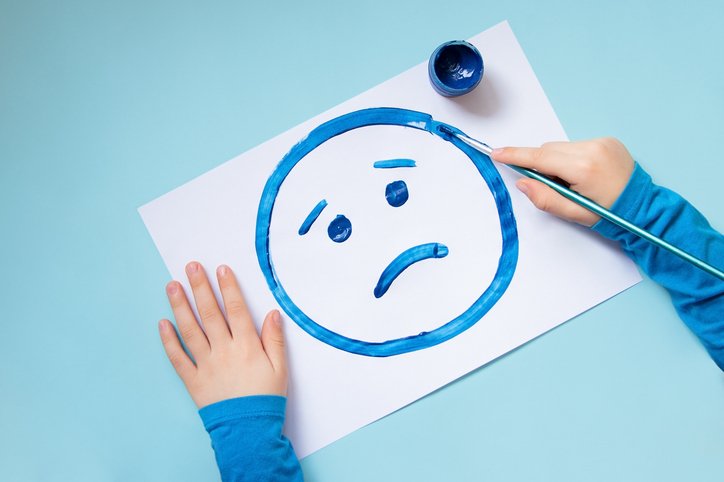
Online Depression Therapy in Chicago & Illinois
Support for Depression, Low Mood, and Feeling Stuck or Numb
Compassionate, culturally affirming support to help you feel lighter, steadier, and more like yourself again
Online therapy across Illinois • In-network with BCBS & Aetna • No pressure, just support

You’re going through the motions—but the light has gone out.
From the outside, you’re still "doing the thing."
You’re answering emails, you’re showing up for your family, and you’re hitting your deadlines. But internally, everything feels heavy. It’s like the volume on your life has been turned down, and the vibrant colors have faded into a dull, repetitive gray. You aren't necessarily "sad" in the way people expect; you’re depleted. Y
ou feel a profound sense of "nothingness" that makes even the smallest tasks, like answering a text or choosing a meal, feel like they require a level of energy you simply don’t have anymore.
Does this sound familiar?
The "Performance" Fatigue: You’ve become an expert at "masking." You smile at the right times and say the right things, but the second you’re alone, the mask drops, and you’re hit with a wave of exhaustion. You’re tired not just from your day, but from the sheer effort of pretending you’re okay.
The Foggy Brain: You used to be sharp and decisive, but lately, your mind feels like it’s wrapped in cotton. You’re forgetful, you’re struggling to focus, and you find yourself staring at your screen for twenty minutes before realizing you haven't actually done anything.
The Silent Inner-Critic: Depression doesn't always scream; sometimes it whispers. It tells you that you’re "lazy," that you’re "failing," or that this is just "who you are now." It turns your past successes into flukes and makes your future feel like an endless uphill climb.
The Social Withdrawal: You find yourself "quietly disappearing." You’re declining invitations, staying in bed longer than you intended, and feeling a strange disconnect from the people you love most. It isn't that you don't care; it’s that you don't have the emotional bandwidth to engage.
At Mindful Healing Counseling, we help the "strong ones"—the Black woman navigating the "Superwoman" trope, the first-gen professional carrying family dreams, our LGBTQIA+ folks, and the South Asian and Latinx communities in Chicago and Illinois—who are tired of pretending and ready to feel real again.
Depression isn’t a personal failure. It’s a sign that your system is overwhelmed.
When you’ve spent a lifetime being "the strong one," your body eventually chooses to shut down to protect itself. Whether you’re navigating the "glass ceiling" in Chicago, the weight of intergenerational trauma, or the isolation of masking your true self, we provide specialized online depression therapy to help you find your way back to the version of yourself that can actually feel joy again.
If This Sounds Like You, Therapy Can Help
Depression doesn't always look the way people expect.
You may not spend every day crying.
You may still go to work, take care of your family, and show up for your responsibilities.
But underneath it all, you feel like you're running on empty.
You may be the one who...
Feels emotionally numb even during moments that used to bring joy.
Keeps wondering why everything feels so much harder than it used to.
Spends most of the day exhausted, even after sleeping.
Cancels plans because you simply don't have the energy.
Feels guilty for struggling when life "looks fine."
Wonders if you're lazy when you're actually emotionally overwhelmed.
Has stopped looking forward to things because nothing feels enjoyable anymore.
Feels disconnected from yourself, your relationships, or your future.
Is carrying so much that you've forgotten what it feels like to simply enjoy being alive.
If you recognized yourself in even one or two of these experiences, you're not alone.
Depression is treatable, and healing is possible.
Together, we'll help you understand what's contributing to how you're feeling while building practical tools to help you reconnect with hope, energy, and yourself again.

What Does Depression Really Feel Like?
Depression isn't the same for everyone.
For some people, it feels like overwhelming sadness.
For others, it feels like emotional numbness, constant exhaustion, or simply not recognizing themselves anymore.
Many people are surprised to learn that depression doesn't always mean crying every day or being unable to get out of bed.
Sometimes it looks like quietly surviving.
You might experience depression as...
Emotional Numbness
Instead of feeling sad, you may feel like you've stopped feeling much of anything.
The things that once brought you joy, excitement, or comfort may now feel distant or flat.
You may find yourself wondering:
"Why don't I care anymore?"
"Why don't I feel excited about anything?"
Constant Exhaustion
Depression isn't just emotionally draining.
It can feel physically heavy.
You may wake up tired, struggle to get through the day, or feel like even small tasks require enormous effort.
Rest doesn't always restore your energy because depression affects both your mind and your body.
Feeling Like a Burden
Many people with depression carry intense self-criticism.
You may find yourself thinking:
"I'm letting everyone down."
"People would be better off without me bothering them."
"I should be able to handle this."
These thoughts are common symptoms of depression—not reflections of your worth.
Losing Interest in Things You Once Loved
Activities, hobbies, or relationships that once felt meaningful may no longer bring the same sense of enjoyment.
You may continue doing them because you feel like you "should," but they don't feel the way they once did.
That loss of interest can feel confusing and discouraging.
Feeling Disconnected From Yourself
Many people describe depression as feeling like they've lost themselves.
You may look in the mirror and think:
"This isn't who I used to be."
"Where did the motivated version of me go?"
Depression can make you feel disconnected from your identity, your relationships, and your hopes for the future.
Feeling Stuck
You know what needs to be done.
You simply can't seem to do it.
This isn't laziness or a lack of motivation.
Depression often makes even ordinary decisions or everyday responsibilities feel overwhelming.
Feeling Lonely—Even Around Other People
You may spend time with family or friends and still feel completely alone.
Depression often creates a sense of isolation that has little to do with how many people are around you.
It can make it difficult to believe that anyone truly understands what you're experiencing.
Feeling Hopeless About the Future
Depression can quietly convince you that nothing will ever change.
It becomes harder to imagine feeling different, even if you've experienced happiness before.
One of the most painful parts of depression is that it often steals hope before it steals anything else.
The good news is that depression is highly treatable.
Even if it doesn't feel possible right now, healing can happen.
With compassionate support, many people begin reconnecting with themselves one small step at a time.

Is This Depression — or Am I Just Burned Out or Stuck?
This is one of the most common questions we hear.
Many people wonder:
“Is this depression, or am I just overwhelmed?”
“Why can’t I just get myself together?”
“Other people have it worse — why do I feel like this?”
Depression often builds slowly. It can come from chronic stress, unresolved grief, trauma, burnout, life transitions, or years of carrying too much without support.
If your energy, mood, or sense of hope has felt off for a while, that matters.
You don’t have to wait until things fall apart to deserve help.
What Causes Depression?
Depression rarely has just one cause.
For many people, it develops gradually through a combination of life experiences, stress, biology, and the emotional weight they've been carrying for a long time.
Sometimes there's an obvious reason.
Other times, depression seems to appear even when life "looks fine" from the outside.
Whatever brought you here, your experience is valid.
Chronic Stress and Burnout
When your mind and body spend months or years operating in survival mode, it can become increasingly difficult to experience joy, motivation, or hope.
Constant stress, caregiving, perfectionism, work demands, and emotional overload can slowly contribute to depression.
Trauma and Difficult Life Experiences
Trauma can change the way your nervous system responds to the world.
Whether you've experienced childhood trauma, emotional neglect, abuse, discrimination, grief, or another painful event, those experiences can contribute to depression long after they happen.
Healing isn't about "getting over it."
It's about helping your nervous system feel safe enough to move forward.
Major Life Transitions
Even positive changes can feel overwhelming.
Depression sometimes develops during experiences such as:
becoming a parent
pregnancy or postpartum
divorce or relationship changes
starting college
career changes
retirement
moving
losing a loved one
Big life transitions often involve grief, uncertainty, and changes in identity that deserve support.
Family History and Genetics
For some people, depression has a biological component.
Having a family history of depression doesn't mean you'll always struggle, but it can increase your vulnerability, especially during periods of significant stress.
Depression is not a personal weakness or character flaw.
It's a real mental health condition that deserves compassionate care.
Emotional Neglect and Childhood Experiences
Growing up feeling unseen, unheard, criticized, or emotionally unsupported can affect how you see yourself and relate to others later in life.
Many adults who experienced emotional neglect carry deep feelings of shame, self-doubt, or believing their needs don't matter.
These early experiences can contribute to depression while also affecting self-esteem and relationships.
Anxiety That Never Turns Off
Many people experience anxiety and depression at the same time.
Living with constant worry, overthinking, perfectionism, or feeling like you always have to hold everything together can become emotionally exhausting.
Over time, chronic anxiety may begin to look less like nervousness and more like emotional numbness, hopelessness, or burnout.
Isolation and Lack of Support
Humans are wired for connection.
When you've been carrying everything on your own for too long, depression can deepen.
Feeling disconnected, misunderstood, or like you have to manage everything alone can make it much harder to recover without support.
There Isn't Always One Clear Reason
One of the hardest parts of depression is that sometimes there isn't one obvious explanation.
You may have a loving family, a successful career, supportive friends, or many things to be grateful for—and still feel depressed.
Depression doesn't require you to "earn" help.
If you're struggling, your pain is real.
You deserve support regardless of what your life looks like on the outside.
What Are Common Signs of Depression?
Depression looks different for everyone, but you might notice:
Emotional signs
sadness, emptiness, or numbness
guilt, shame, or feeling like a burden
irritability or emotional shutdown
Physical signs
low energy or fatigue
sleep changes (too much or too little)
changes in appetite or weight
Mental & behavioral signs
difficulty focusing or making decisions
loss of interest or motivation
withdrawing from people or activities
thoughts of hopelessness or not wanting to exist
If any of this sounds familiar, you’re not imagining it — and you don’t have to face it alone.
How Depression Can Affect Everyday Life
Depression doesn't only affect your mood.
It can change the way you think, work, connect with others, care for yourself, and move through everyday life.
Many people don't realize how much depression is affecting them until they begin therapy and start recognizing the patterns.
At Work
You may still be showing up every day, but everything feels harder than it used to.
You might notice yourself:
struggling to focus or make decisions
staring at your screen without getting much done
feeling mentally foggy or forgetful
losing confidence in your abilities
feeling overwhelmed by tasks that once felt manageable
Many people continue performing well at work while silently carrying an overwhelming emotional burden.
In Relationships
Depression can make it difficult to feel emotionally present, even with the people you love most.
You may find yourself:
withdrawing from friends or family
canceling plans because you don't have the energy
feeling disconnected during conversations
becoming more irritable than usual
believing you're a burden to others
struggling to communicate what you're feeling
Depression can make you feel alone, even when you're surrounded by people who care about you.
As a Parent
Depression doesn't mean you love your children any less.
Many parents describe feeling guilty because they want to be more present but simply don't have the emotional energy.
You might notice:
feeling emotionally checked out
becoming more impatient than usual
struggling to enjoy family activities
feeling guilty that you're "not enough"
constantly questioning yourself as a parent
Therapy can help you care for yourself while strengthening your connection with your children.
In College or Graduate School
Depression can make school feel overwhelming, even if you've always been a high achiever.
You may experience:
difficulty concentrating
falling behind on assignments
low motivation
procrastination
isolation from classmates
questioning whether you're capable
Depression is not a sign of laziness or failure. It's a real mental health condition that deserves support.
In Your Body
Depression isn't only emotional.
Many people also experience physical symptoms such as:
constant fatigue
sleeping too much or too little
headaches
changes in appetite
body aches
slowed movement
feeling physically heavy
low energy throughout the day
These symptoms are common and deserve just as much compassion as the emotional ones.
When You're High Functioning
Not everyone with depression struggles to get out of bed.
Some people continue working, parenting, achieving, and taking care of everyone else while quietly feeling emotionally numb inside.
You may look like you're managing everything.
Inside, you feel disconnected from your life, your relationships, and even yourself.
High-functioning depression often goes unnoticed because you're still accomplishing what others expect—even while you're struggling.
When You're Alone
Many people say the hardest moments aren't during the busy parts of the day.
They're the quiet moments.
When the distractions stop, you may notice:
harsh self-criticism
hopeless thoughts
loneliness
crying unexpectedly
feeling emotionally empty
wondering if things will ever feel different
You don't have to keep carrying those moments by yourself.
Depression is treatable, and healing is possible with the right support.

How Can Depression Therapy Help?
Depression therapy isn't about forcing yourself to "think positively" or pretending everything is okay.
It's about understanding what has been weighing on you, developing practical coping strategies, and helping your mind and body begin healing at a pace that feels manageable.
Therapy provides a compassionate space where you don't have to carry everything alone.
Together, we can help you:
understand the emotional, relational, or life experiences contributing to your depression
reduce harsh self-criticism and feelings of shame
rebuild routines without overwhelming yourself
reconnect with activities that once brought meaning or joy
improve motivation through small, sustainable steps
process grief, trauma, or unresolved emotional pain
strengthen relationships and reduce isolation
develop healthier coping skills for difficult emotions
improve sleep, emotional regulation, and daily functioning
rebuild hope, confidence, and trust in yourself
Healing doesn't happen overnight.
It happens one conversation, one small step, and one meaningful change at a time.
Our goal isn't to help you become someone else.
It's to help you reconnect with the version of yourself that's been there all along.
You Might Not Realize These Experiences Are Connected to Depression
Depression doesn't always announce itself as sadness.
Many people come to therapy because they're exhausted, overwhelmed, disconnected, or simply don't feel like themselves anymore without realizing depression may be part of what they're experiencing.
Depression can look like much more than crying or staying in bed.
You may not immediately connect depression to experiences like:
chronic fatigue that never seems to improve
brain fog or difficulty concentrating
constantly feeling overwhelmed by simple tasks
losing motivation for things you used to enjoy
withdrawing from friends and family
irritability or feeling emotionally shut down
perfectionism and harsh self-criticism
people-pleasing while neglecting your own needs
anxiety that has slowly turned into emotional exhaustion
feeling disconnected from yourself or your relationships
difficulty making even small decisions
feeling hopeless about the future
Many of these experiences overlap with anxiety, burnout, trauma, grief, ADHD, and major life transitions.
Therapy can help you understand what's contributing to how you're feeling, reduce self-blame, and begin rebuilding a life that feels meaningful, connected, and hopeful again.
Do I Need a Diagnosis to Start Depression Therapy?
No. You don’t need a diagnosis to begin therapy.
Many people start depression therapy because something doesn’t feel right — not because they’ve been given a label.
We’ll work together to understand what you’re experiencing and what kind of support will help most. There’s no rush, no pressure, and no expectation that you have all the answers.

What Is Online Depression Therapy Like?
Online therapy offers flexibility without sacrificing connection.
With virtual depression therapy in Chicago and across Illinois, you can:
attend sessions from your own space
avoid commuting and scheduling stress
choose daytime or evening appointments
access secure, HIPAA-compliant care
Many clients find that being in a familiar environment actually makes it easier to open up and stay consistent with therapy.
Why Choose Mindful Healing Counseling for Depression Therapy?
Depression can make it difficult to believe that anything will help.
Our goal isn't to overwhelm you with complicated treatment plans.
It's to provide a compassionate, supportive space where healing feels possible again.
At Mindful Healing Counseling, we provide:
Trauma-informed care that understands how past experiences can shape depression.
Culturally responsive therapy that honors your identity, relationships, values, and lived experiences.
Personalized treatment tailored to your unique needs rather than a one-size-fits-all approach.
Evidence-based approaches including CBT, mindfulness, emotion regulation skills, relational therapy, and strengths-based interventions.
A psychologist-led practice committed to high-quality, compassionate care.
Convenient online therapy available anywhere in Illinois.
Thoughtful therapist matching so you can work with someone who feels like the right fit.
You don't have to pretend you're okay here.
You don't have to have all the answers before you begin.
We'll meet you exactly where you are and walk alongside you every step of the way.

Culturally Attuned Support for Depression: Serving Chicago & Illinois
Depression can make your world feel very small. At Mindful Healing Counseling, we provide specialized virtual therapy designed to meet you exactly where you are, without the added stress of a commute. While our care is delivered via a secure video platform, we are deeply rooted in the Illinois communities we serve:
Chicago’s Neighborhoods: Providing a safe "exhale" for professionals and residents in The Loop, Hyde Park, Bronzeville, Andersonville, Logan Square, and Rogers Park.
Southwest Suburban Communities: Supporting families and individuals in Palos Heights, New Lenox, Orland Park, Tinley Park, Oak Lawn, and Frankfort.
Western Growth Hubs: Serving high-achievers and students in Naperville, Aurora, Oak Park, Bolingbrook, and Hinsdale.
North Suburbs & The North Shore: Offering affirming care in Evanston, Skokie, Schaumburg, and Highland Park.
Statewide Virtual Reach: Ensuring expert, identity-affirming depression treatment for residents in Urbana-Champaign, Springfield, and throughout rural Illinois.
Mindful Healing Counseling is an in-network provider for Blue Cross Blue Shield PPO and Aetna PPO, serving the diverse communities of Chicago and the Illinois suburbs. Whether you are navigating the "High-Functioning Depression" of a demanding career in the city or the heavy weight of generational grief in the suburbs, we provide a space where you can stop performing and start healing.
Related Therapy Services
Depression often overlaps with other emotional experiences.
Many people who seek depression therapy also find support through these related services.
Anxiety Therapy
Anxiety and depression frequently occur together. Therapy can help you better understand constant worry, overthinking, panic, and emotional overwhelm.
Stress & Burnout Therapy
Long-term stress and burnout can leave you emotionally exhausted, disconnected, and struggling to enjoy everyday life.
Trauma Therapy
Past trauma, emotional neglect, and difficult life experiences can contribute to depression while affecting your relationships, self-esteem, and sense of safety.
High-Functioning Anxiety Therapy
Many people continue achieving and caring for others while quietly struggling with anxiety, perfectionism, burnout, and depression.
Life Transitions Therapy
Major life changes—including career shifts, divorce, becoming a parent, or losing a loved one—can increase feelings of depression and emotional overwhelm.
Pregnancy & Postpartum Therapy
Depression can occur during pregnancy or after childbirth. Compassionate support can help you navigate these experiences without shame or judgment.
ADHD Therapy
ADHD and depression often overlap, particularly when years of overwhelm, masking, perfectionism, or self-criticism have taken an emotional toll.
Grief & Loss Therapy
Grief and depression can feel similar, but they aren't always the same. Therapy can help you process loss while supporting your emotional healing.
Frequently Asked Questions About Depression Therapy
-
Everyone feels sad, stressed, or discouraged from time to time. Depression is different because it lasts longer and begins affecting your daily life, relationships, energy, motivation, and ability to enjoy things you once cared about. If you've been feeling emotionally numb, exhausted, hopeless, or unlike yourself for more than a couple of weeks, therapy can help you better understand what you're experiencing and what support may be helpful.
-
Depression affects everyone differently, but common symptoms include persistent sadness, emotional numbness, loss of interest in activities, fatigue, changes in sleep or appetite, difficulty concentrating, irritability, feelings of guilt or worthlessness, withdrawing from others, and a sense of hopelessness. Some people continue working and caring for others while quietly struggling on the inside.
-
Yes. Depression often affects both the mind and body. Many people experience chronic fatigue, headaches, muscle tension, stomach discomfort, changes in appetite, sleep problems, slowed movement, brain fog, or feeling physically heavy. These symptoms are real and can improve with appropriate treatment and support.
-
Although they can overlap, depression, burnout, and anxiety are different experiences. Anxiety often involves excessive worry and feeling constantly on edge. Burnout usually develops after prolonged stress and emotional exhaustion. Depression is more likely to involve persistent sadness, emotional numbness, loss of motivation, hopelessness, and difficulty experiencing pleasure.
A therapist can help determine which factors may be contributing to how you're feeling.
-
Yes. Depression therapy can help you understand what's contributing to your symptoms, reduce self-criticism, process difficult experiences, develop healthier coping strategies, improve emotional regulation, rebuild daily routines, strengthen relationships, and reconnect with hope and meaning. Therapy is tailored to your individual experiences, goals, and needs.
-
Not everyone with depression needs medication. Some people benefit from therapy alone, while others find that a combination of therapy and medication is most effective.
Your therapist can help you explore your symptoms and, if appropriate, recommend speaking with a medical provider or psychiatrist about whether medication may be helpful for your situation.
-
Yes. Research shows that online therapy can be highly effective for treating depression. Virtual therapy provides the same evidence-based approaches as in-person therapy while allowing you to receive support from the comfort and privacy of your home anywhere in Illinois.
-
Even if you've been struggling for months or years, change is still possible. Many people begin therapy believing they'll always feel this way, only to discover that depression is treatable with the right support. Healing often happens gradually through small, meaningful changes that build over time.
-
No. You don't need a formal diagnosis to begin therapy. Many people seek help because they know something doesn't feel right, even if they don't know exactly why. Your therapist will work with you to understand your experiences and develop a treatment plan that fits your needs.
-
Yes. Mindful Healing Counseling provides secure online depression therapy for adults, teens, college and graduate students, women, parents, couples, and individuals from diverse cultural and identity backgrounds throughout Illinois.
We are in network with Blue Cross Blue Shield PPO and Aetna PPO and provide compassionate, trauma-informed, culturally responsive care.
You Don’t Have to Do This Alone
You don’t have to keep pretending everything is fine.
You don’t have to carry this by yourself.
With the right support, it’s possible to feel lighter, more connected, and more like yourself again.
We’re here when you’re ready.
Blogs on Depression